Introduction
In a significant development for global financial markets, stocks surged on February 4, 2026, following reports of easing inflation that rekindled investor confidence. Simultaneously, Bitcoin's value broke the $50,000 mark, fueled by rising institutional demand.

Main Part
The U.S. Consumer Price Index reported a 0.3% decrease in January, marking the lowest inflation levels in two years. This news triggered a significant rally in stock markets worldwide, with the S&P 500 rising by 2.5% and European markets recording average gains of over 3%.
On the same day, Bitcoin's value surged past $50,000, driven by heightened interest from institutional investors such as Goldman Sachs and BlackRock. These firms have begun offering clients exposure to cryptocurrencies, reflecting a growing appetite for alternative assets.
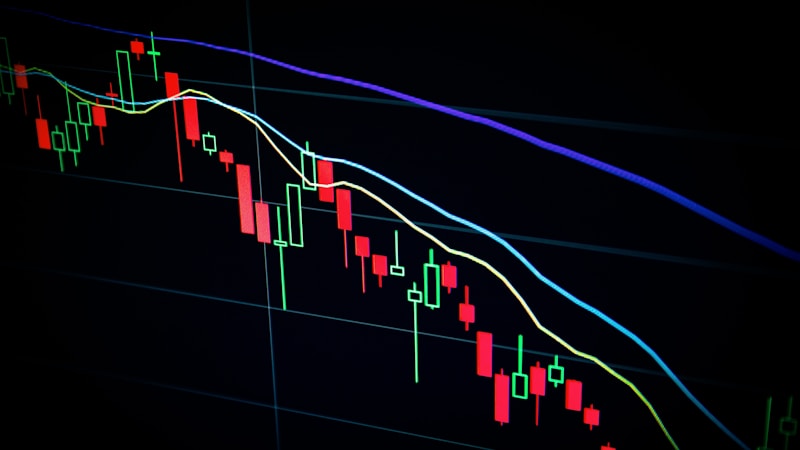
Deep Dive
The decline in inflation has sparked hopes for potential interest rate cuts by central banks, creating a more favorable environment for investors. Analysts suggest that this could be pivotal in sustaining economic momentum. "The slowdown in inflation is encouraging," stated an analyst from Reuters.
Meanwhile, Bitcoin's ascent past $50,000 has reignited discussions of a new bull market phase for cryptocurrencies. With its market capitalization exceeding $1 trillion, experts predict sustained growth if institutional support continues.
"This marks a new chapter for crypto markets," commented a Bloomberg analyst.
Outlook/Conclusion
The easing of inflation and the rise of Bitcoin highlight a dynamic shift in global financial trends. As investors navigate these changes, the potential impacts on monetary policy and market stability remain closely monitored topics.